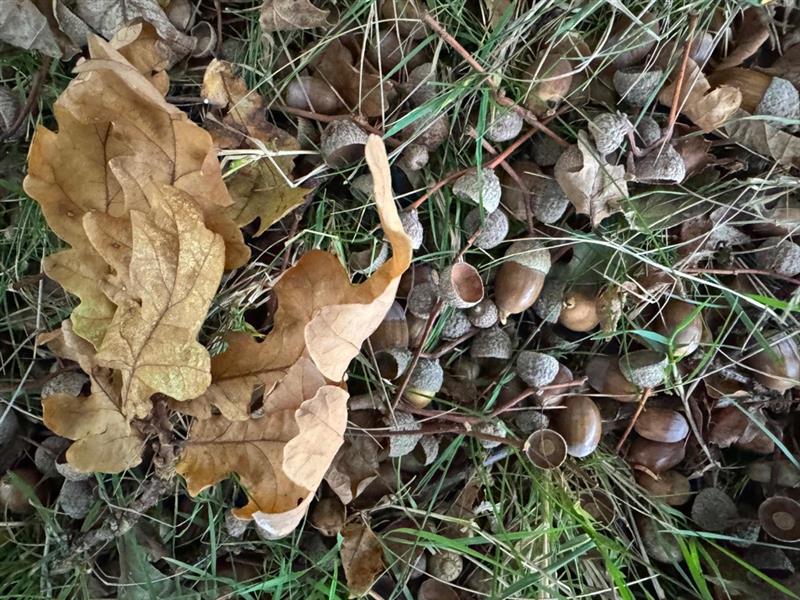
Why are there more acorns this year?
Why are there more acorns this year?
Sarah Ball, from MJ News, was interested in the BBC’s report that there were more acorns this year, as she had experienced seeing the increase herself while walking her dog. But no one talked about any implications to the timber sector – so Sarah did a bit of investigation. Here’s what she found:
2025 has been particularly notable for the increase in the number of acorns. When trees produce a bumper crop of seeds It’s called a mast year, and it can influence natural woodland regeneration, reduce the need for planting in some areas, and shape the future composition of forests.
Wildlife populations also rise during mast years, affecting forest management practices, from pest control to habitat planning. Understanding these cycles helps timber managers anticipate changes in tree populations, plan sustainable harvests, and maintain forest health over the long term.
The Science Behind a Mast Year

Mast years are a natural phenomenon in which trees such as oaks and beeches produce exceptionally large numbers of seeds. These events do not occur on a fixed schedule but typically every few years, with the last major UK mast year in 2020.
During a mast year, trees invest energy into producing abundant acorns and beechnuts, providing a feast for birds, squirrels, mice, and other wildlife. The sheer number of seeds “satiates” predators, leaving many to germinate and grow into new trees. Warm, dry spring weather, like the one we saw this year, supports pollination and the development of mature seeds.
This synchronised abundance benefits entire ecosystems and has practical significance for forestry. While unpredictable, mast years highlight the delicate connections between weather, wildlife, and woodland. and in 2025, the UK’s forests are overflowing with acorns, shaping both nature and the timber industry.
To read the BBC report, click here: The National Trust explains why there are so many acorns this year – BBC News
More news

TJN Members Day puts timber’s future in focus

Shortlist for 18th BWF Awards revealed