DCE says LEV maintenance saves money
DCE says LEV maintenance saves money
Dust Control Environmental (DCE), explains why now, more than ever, it’s essential to keep up with Local Exhaust Ventilation (LEV) maintenance.
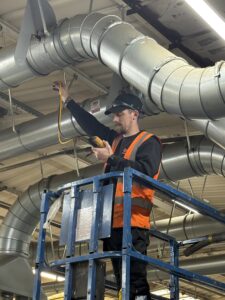
With the latest global developments there is absolutely no doubt that costs will start to rise…again!
It’s sensible to review your business spending and look for leaner ways of operating. Cutting back on LEV maintenance and statutory testing, however, will be a false economy. Risks to safety, compliance, and long‑term costs are going to far outweigh any short‑term savings.
Not only is it a legal requirement, but it can also end up becoming a financial drain if LEV systems are not maintained correctly.
With many years of experience at Dust Control Environmental, we can advise on why staying on top of LEV maintenance is a smart and economically sound investment.
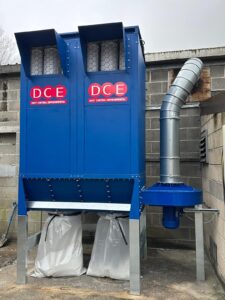 Minor Issues Become Major Costs
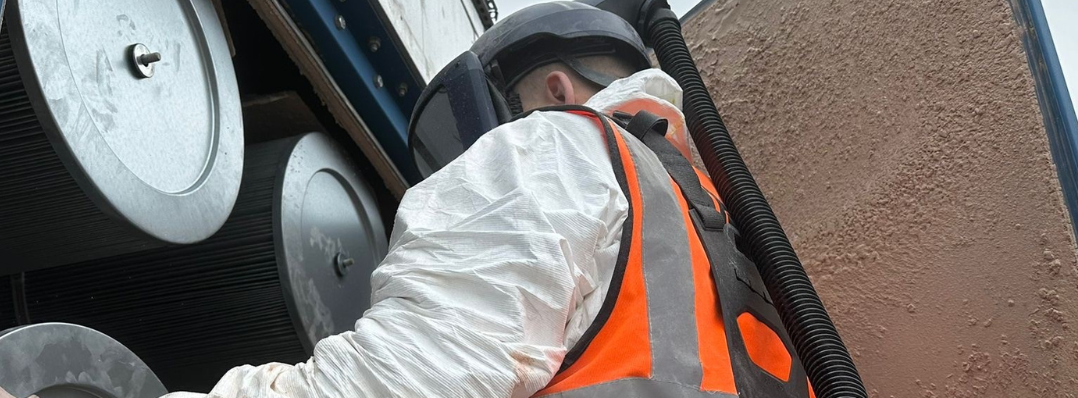
Issues such as clogged filters, failing fans or ill-fitting ducting can reduce LEV efficiency and can quickly escalate into expensive repairs or even full system downtime. By having a stringent and compliant testing regime, problems can be caught early before more expensive damage is done.
Downtime Disrupts Everything
What if your LEV system fails due to neglect? Work stops and so does productivity. Profits start draining away! Engaging in planned LEV maintenance keeps systems running smoothly, greatly reducing the chance of chaotic, unplanned, plant shutdowns.
Caring for Workers Health – Reducing Sick Hours
LEV systems play an essential role in protecting your workforce from harmful airborne particulates. Many industrial processes generate dust, fumes, or vapours that, without effective extraction, can pose serious health risks.
If your LEV isn’t working correctly then the hazards are not being properly controlled. This may lead to increased employee illness as well as reputational damage. A well‑maintained, efficient LEV system can reduce operational hours lost to sickness.
Protecting Investments
A dust free environment prevents the ingress and surface settling of dust. This can help to protect assets such as machinery and tooling whilst saving time and money on housekeeping and cleaning.
Compliance is Getting Stricter
With knowledge of occupational illnesses from hazardous substances widening the HSE are targeting industry sectors where LEV is essential to protect workers. Annual LEV (not more than a 14-month interval) testing is a legal requirement under COSHH regulations. It is no longer something businesses can afford to overlook. To avoid fines, investigations and again unnecessary downtime it is paramount to stay LEV compliant.
The Bottom Line
A well-maintained LEV system, by protecting from unnecessary maintenance, downtime and illness, is not just a legal obligation but a strategic financial advantage. Regular maintenance now can show a month on month, year on year saving.
Here to Make you LEV Happy
If you have any questions about LEV testing, regulations or maintenance then please get in touch with our experienced Aftermarket Team at DCE. We are more than happy to help.
You can also download the DCE Aftermarket Brochure.
For more information, visit: Dust Extraction Systems – DCE Limited
More news
Donaldson Timber Systems Partners with HebHomes
TJN’s Andy Ball’s day out supporting Lignum members